
This post may contain affiliate links. See our affiliate disclaimer here.
After a long winter indoors, it is tempting to just dewinterize the RV plumbing and head straight to the campground. However, campers who do this are likely to discover issues at the campground.
Here are 10 things every RV owner should check before their first camping trip of the year.
This post is sponsored by etrailer.com. They’re my go‑to for RV upgrades and replacement parts. I’ve been ordering from them for years and always get great customer service. I especially love their detailed product descriptions and video tutorials. They make it easy to get the right part on the first try.
Contents
RV Door Lock
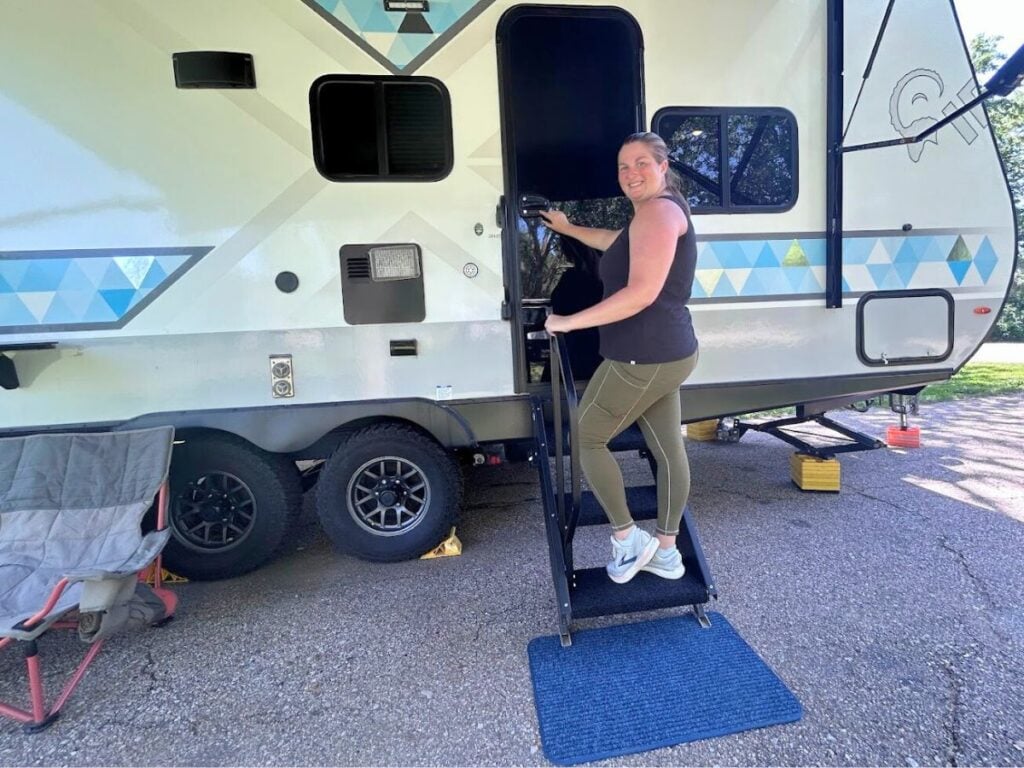
First things first. Can you even get into the RV? It’s easy to forget where you put the RV keys back in September.
Instead of having new keys made, consider upgrading to a keyless lock that can be opened with a simple combination. We installed one on our travel trailer last year, and it has been a game-changer. We can now lock the door with the press of a button, and we never have to remember where we hid the key.
Installing a new door lock is usually a simple, 10-minute process. Just make sure to measure the size of your door latch before ordering a new door lock from etrailer.
RV Air Conditioner
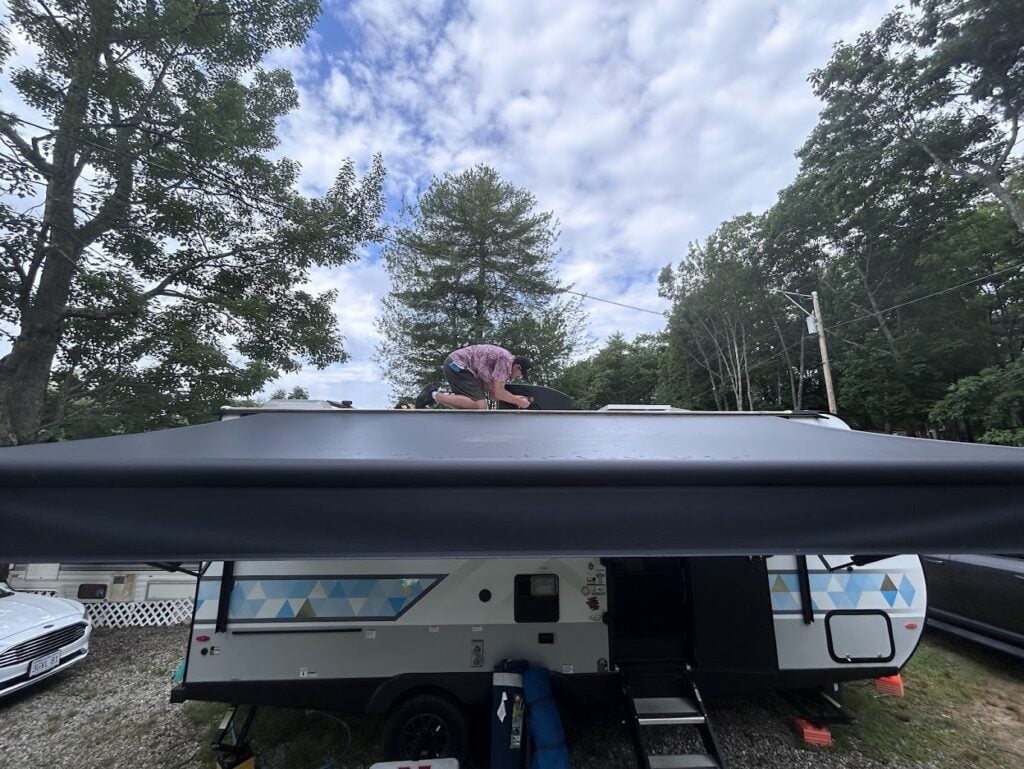
Nothing ruins a spring or summer trip faster than a broken air conditioner. RVs sitting in the sun get hot fast! As soon as you have access to RV shore power, turn on the AC and let it run for several minutes to make sure it cools properly.
If it isn’t cooling properly, clean the unit and try again. If cleaning doesn’t fix the issue, it may be time to call a professional RV technician. Find any required replacement parts on etrailer.com.
Also, head up to the roof (if you can safely get up there) and check for cracks or damage to the air conditioner shroud. Replace if cracks are found.
Water and Sewer Hoses
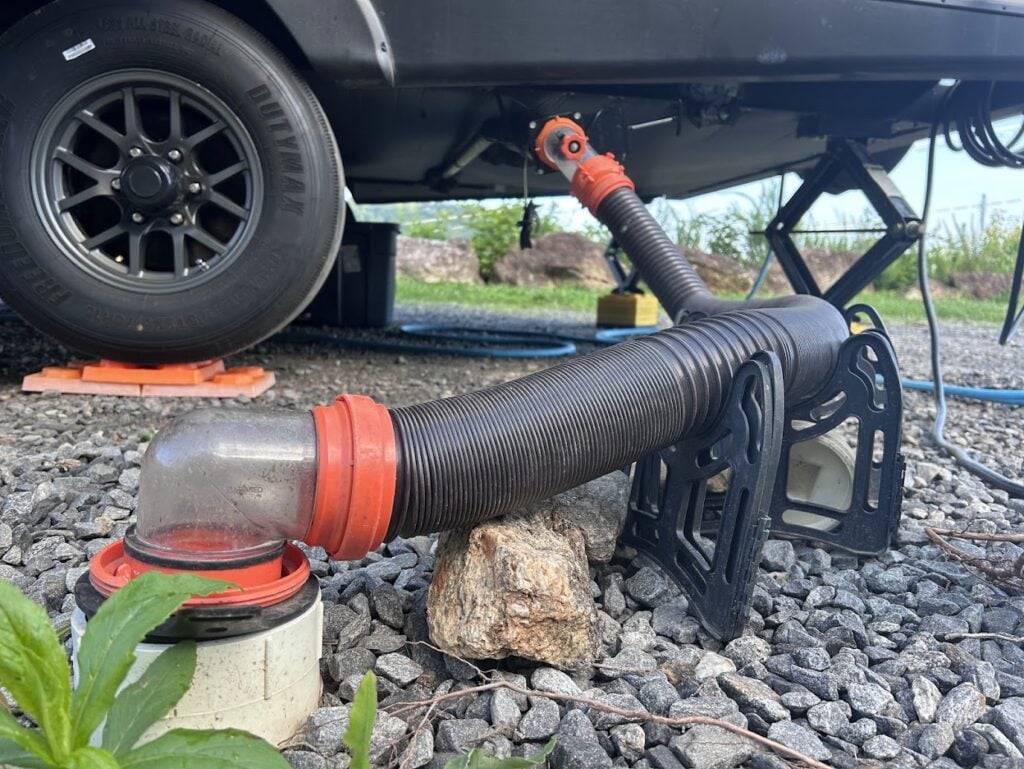
RV sewer and water hoses must be checked after your RV has been stored for several months. Rubber can dry out, fittings loosen, and hoses can crack when left stored in freezing temperatures.
Inspect all your hoses for cracks or leaks and visually inspect the fittings. If you need to replace your drinking water hose, consider an expandable hose that shrinks down for RV storage. The HydroTech Pro Series Expandable Max Flow Hose stretches to 50′ during use, but shrinks to 1/3 that length when empty.
For a sewer hose replacement, the Camco RhinoEXTREME is a super durable hose with thick walls and superior abrasion resistance to minimize leaks and pinholes.
RV Tires
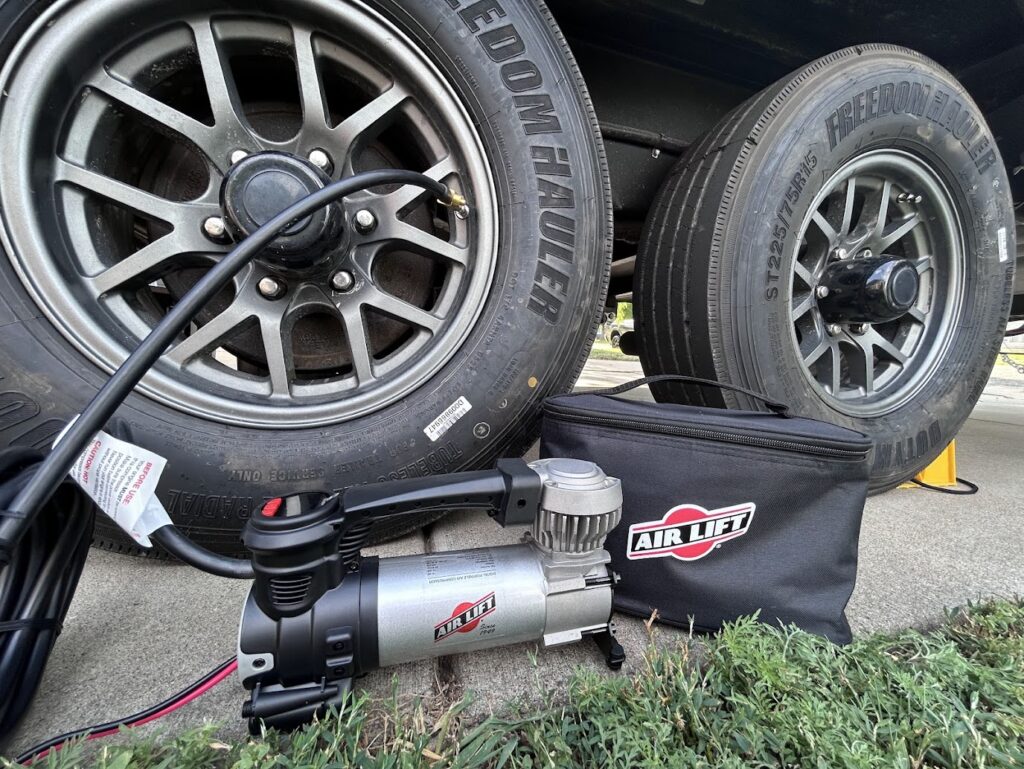
Your RV tires may look fine, but sitting for months can cause flat spots, dry rot, or slow leaks. Always inspect tires, looking for cracking, bulges or uneven wear. Even if your tires look great, go ahead and check the age to make sure they are still safe for travel.
Most RV tires should be replaced every 3 to 7 years, no matter how much tread is left. RVs sit, and sitting is tough on tires. UV exposure, temperature swings, and sitting under weight all cause the rubber to break down from the inside out. By the time a tire looks bad, it’s usually already been unsafe for a while.
The exact replacement age within that 3 to 7 year range depends on the type of RV you have. Travel trailers and fifth wheels usually fall on the 3 to 5 year end of that range. While motorhome tires can often last closer to 5 to 7 years, depending on use, storage, and proper maintenance. If your tires are at the end of those ranges, they must be replaced.
etrailer has a large assortment of trailer tires that you can have shipped right to your door.
Also make sure to check the tire pressure and inflate tires to the proper PSI before your first trip. We keep a Air Lift Automatic Portable Air Compressor in our trailer so we can easily inflate our trailer tires using power from the RV battery.
RV Lights
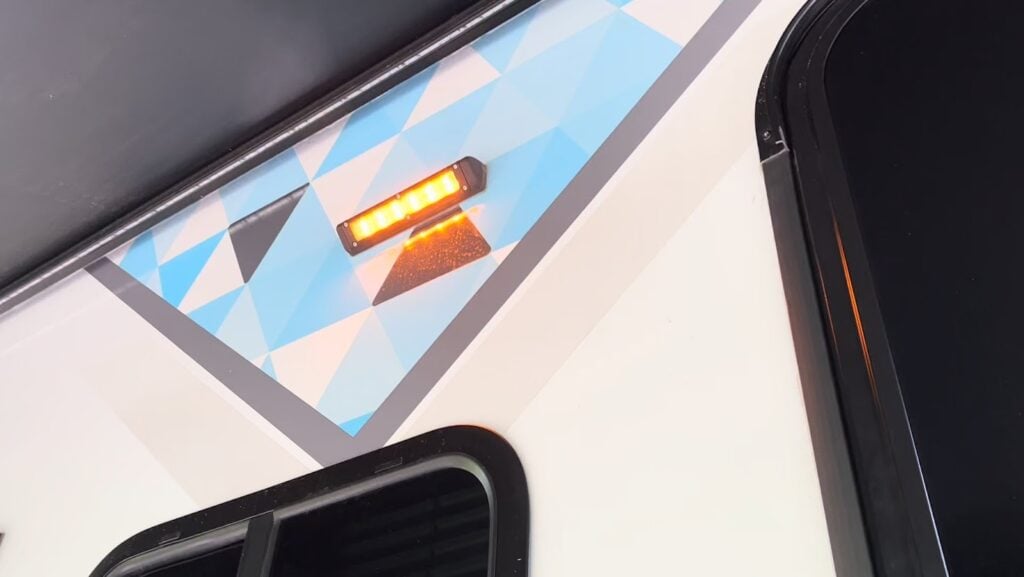
Before you tow or drive your RV anywhere, also make sure all exterior lights are working properly. Lighting issues are often caused by simple wiring corrosion or bad bulbs.
Check your brake lights, turn signals, running lights and clearance lights. Order replacement lights or bulbs for anything that isn’t working.
Trailer Brakes
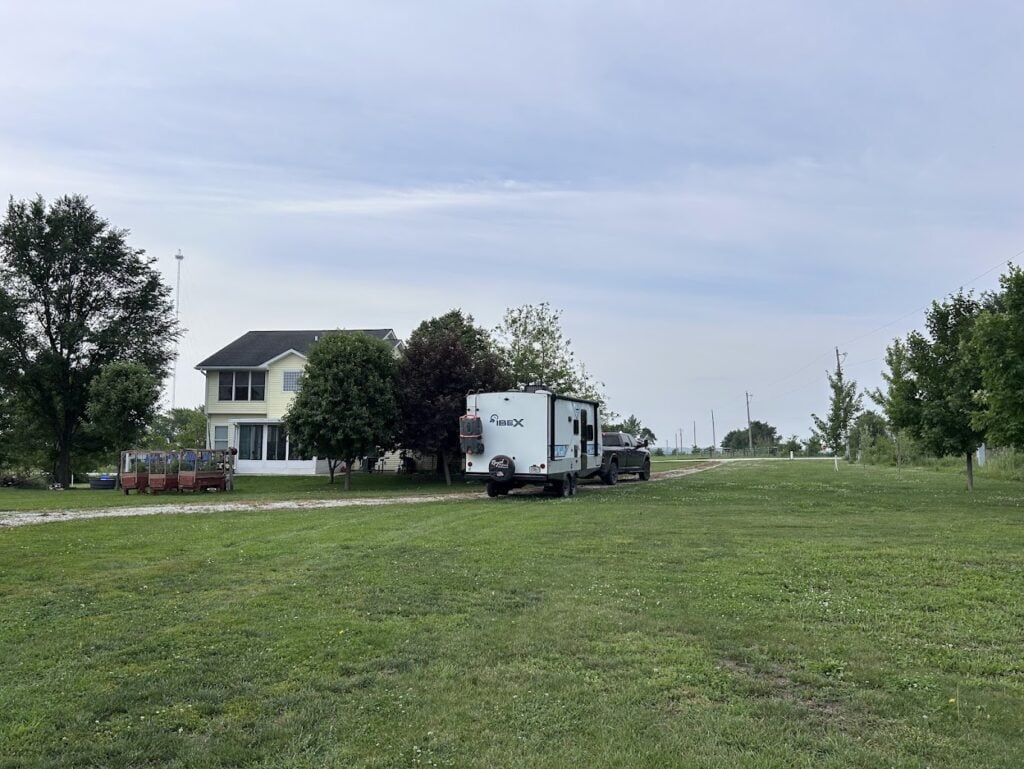
Your RV’s braking system is essential for safe towing. After months of sitting, it’s important to confirm everything is working properly before hitting the road.
Take a short test drive somewhere safe where you can check the brakes. While towing at a slow speed, manually activate the brake controller to make sure the trailer brakes engage. You should feel the trailer slow the tow vehicle slightly when the controller is activated.
While you’re testing the brakes, listen for any unusual grinding or squealing sounds that could indicate worn brake components. It’s also a good idea to inspect the wiring near the trailer tongue and axle area to make sure nothing came loose during storage.
If your trailer brakes feel weak or inconsistent, the issue may be worn brake assemblies or a problem with the brake controller. Fortunately, both are fairly straightforward fixes.
etrailer carries complete electric trailer brake assemblies, replacement parts, and brake controllers.
Suspension and Leaf Springs
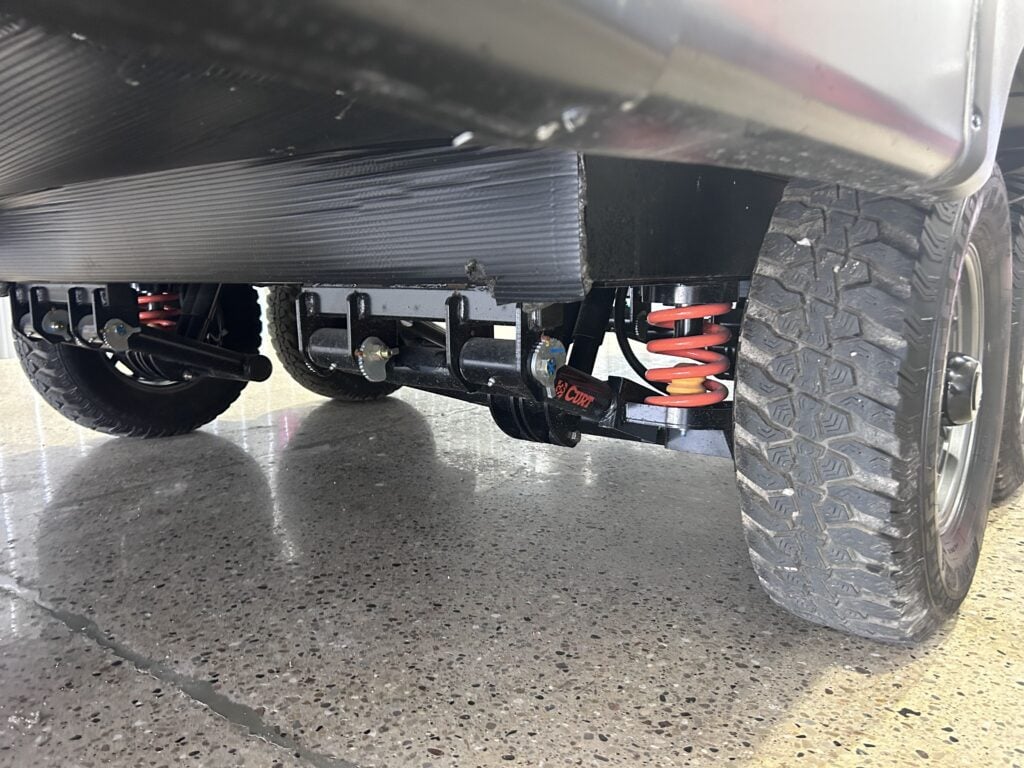
Your trailer’s suspension system and leaf springs should also be inspected before travel. Worn leaf springs or suspension components can lead to poor handling and uneven tire wear.
Crawl under the trailer and check the leaf springs for cracks, sagging, or broken leaves. Also look at how the trailer is sitting. If the ground is level, but one side of the trailer appears lower than the other, that is also a sign the springs are wearing out.
While you’re under there, inspect the shackles, bolts, and equalizers that connect the suspension components together. Check your owner’s manual and make sure all recommended maintenance is completed.
If your trailer feels rough when towing or bounces excessively over bumps, it may be time to upgrade suspension components. Replacing worn leaf springs or installing a suspension upgrade kit can significantly improve ride quality and towing stability.
etrailer carries replacement leaf springs, suspension hardware, and upgrade kits if your suspension components need attention before your first trip of the season.
RV Jacks
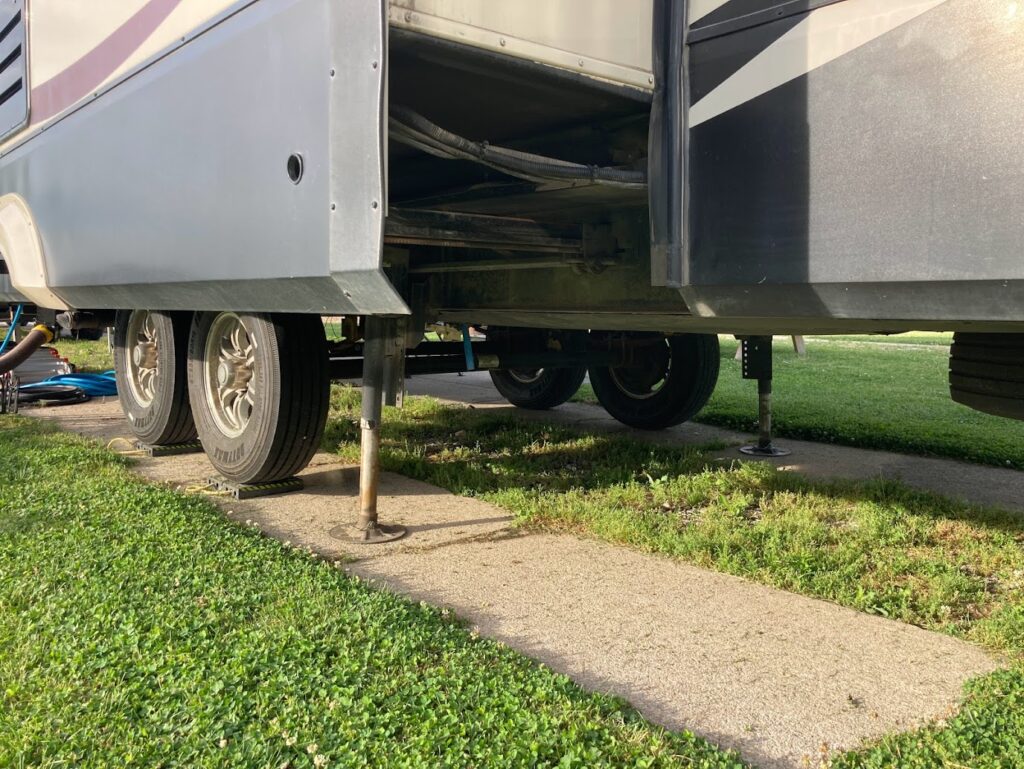
Also, make sure your RV jacks are still working properly. After sitting for months, they can become stiff, rusty, or refuse to move at all.
Extend and retract each jack to make sure it operates smoothly. If you have manual jacks, check that the crank still turns easily. For electric jacks, make sure the motor runs without hesitation and lifts the trailer normally.
It’s also a good idea to look for bent components, rust buildup, or loose mounting bolts. A little lubrication on moving parts can often solve minor issues.
You don’t want to discover a broken jack when you’re trying to level the RV at the campground after a long travel day.
Hitch and Weight Distribution Setup
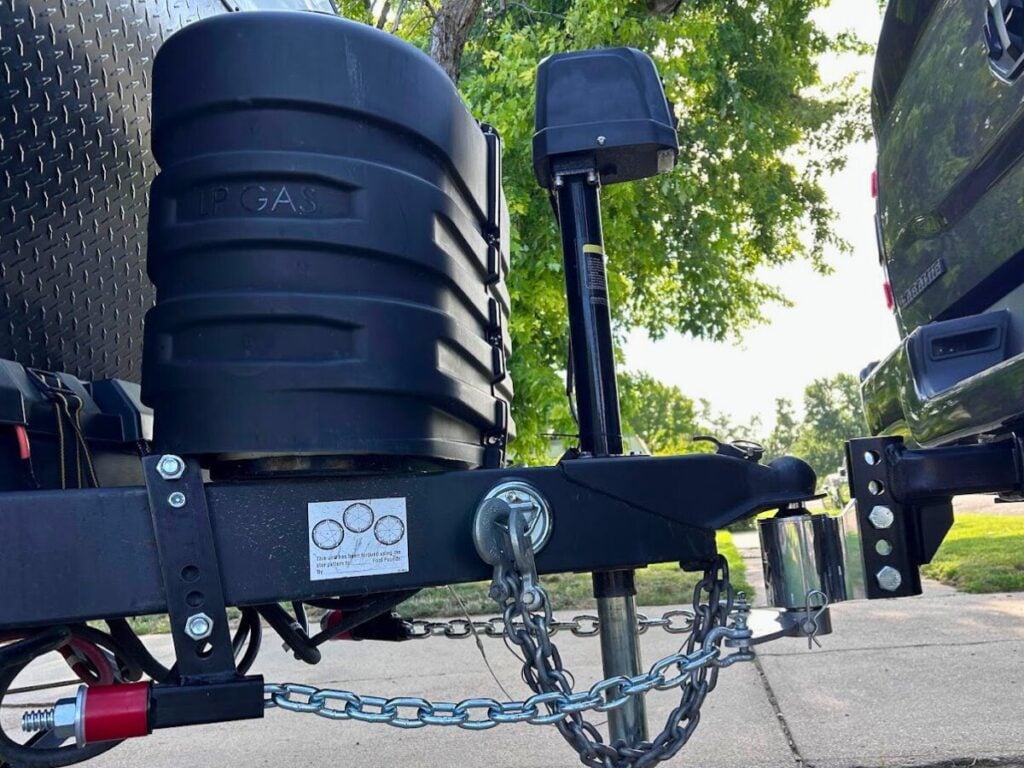
Your hitch setup is another thing that is critical for safe towing, so you need to make sure everything is still properly adjusted and in good condition.
Start by inspecting the hitch receiver, coupler, and safety chains. Look for excessive rust, cracks, or worn parts. Make sure the coupler latch closes securely around the hitch ball and that the safety chains are still in good condition.
If you tow with a weight distribution hitch, check the spring bars and brackets to make sure everything is still properly adjusted. Bolts can loosen over time, so verify that all hardware is tight.
It’s also smart to inspect your sway control components and make sure they still move freely.
Taking a few minutes to check your hitch setup before the season starts can make towing smoother, safer, and a lot less stressful.
If you need replacement parts or a new hitch, you will want to get them ordered well before your first trip of the year.
Upgrade Anything That Annoyed You Last Year
Finally, think back to your last camping season. What annoyed you every single trip?
Were the sway bars on your weight distribution hitch too difficult to lift? Then, upgrade to an Andersen Hitch that is easier to use.
Were your camping chairs flimsy and uncomfortable, upgrade to a Kelty Loveseat.
Spring is the perfect time to upgrade problem items before they frustrate you again all year long.
Doing a quick RV inspection before your first camping trip of the year can save you time, money, and stress. By checking these 10 common RV components, you can hit the road with confidence and avoid unpleasant surprises once you arrive at the campground.
Happy Camping!
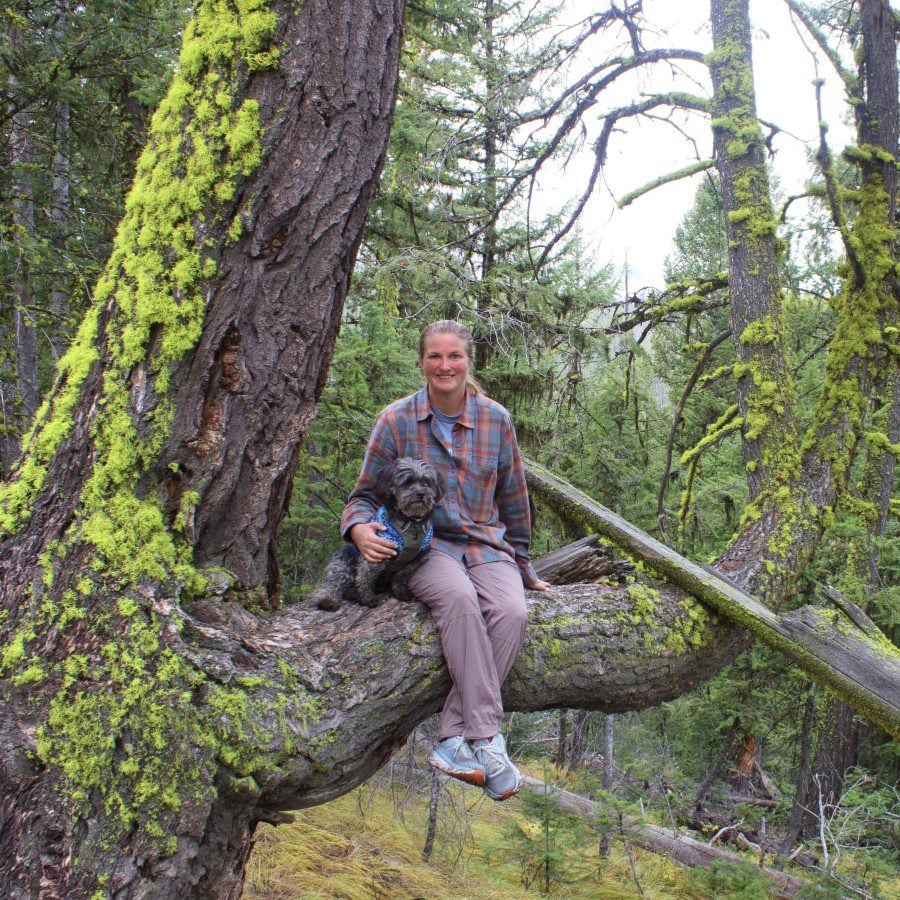
Christina Pate is a seasoned full-time RVer who, along with her husband Justin, has journeyed across the US, Canada, and Mexico. Drawing from her extensive travels, RV repairs and RV renovations, she founded Travels with Ted to guide and inspire fellow RV enthusiasts. Christina is also the co-author of The Owner’s Guide to RV Maintenance and the creator of My RV Log Book.
